
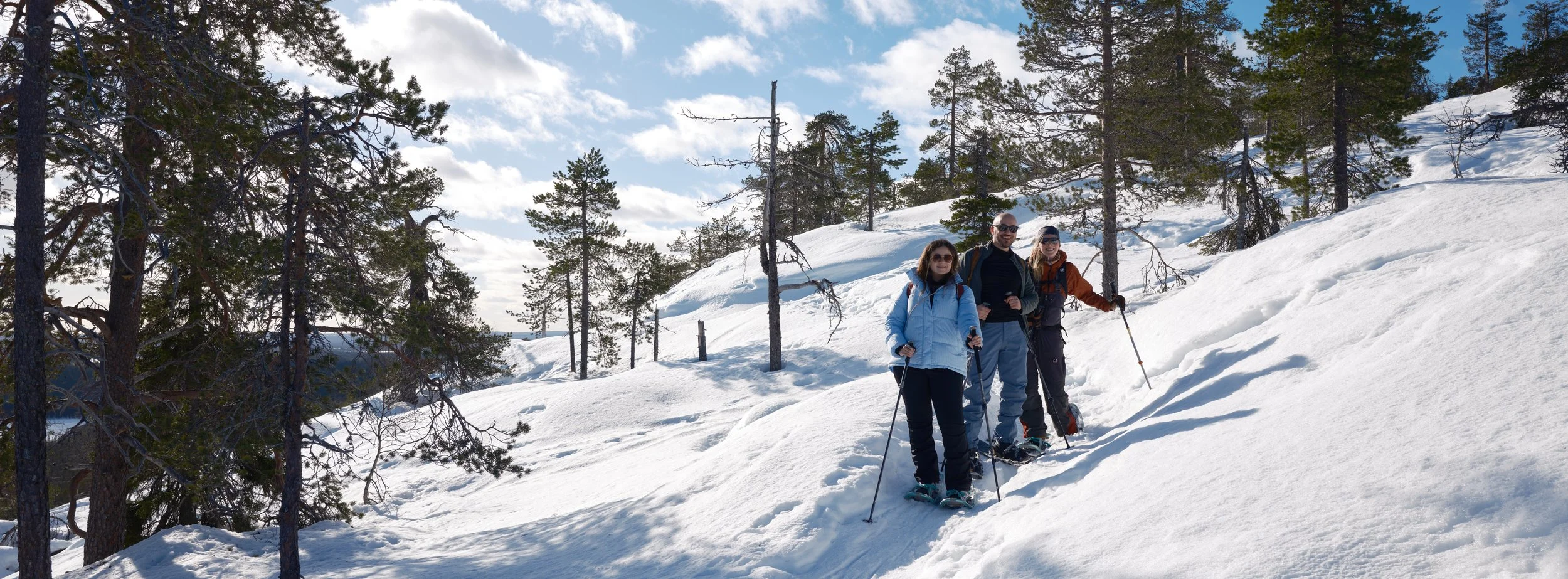
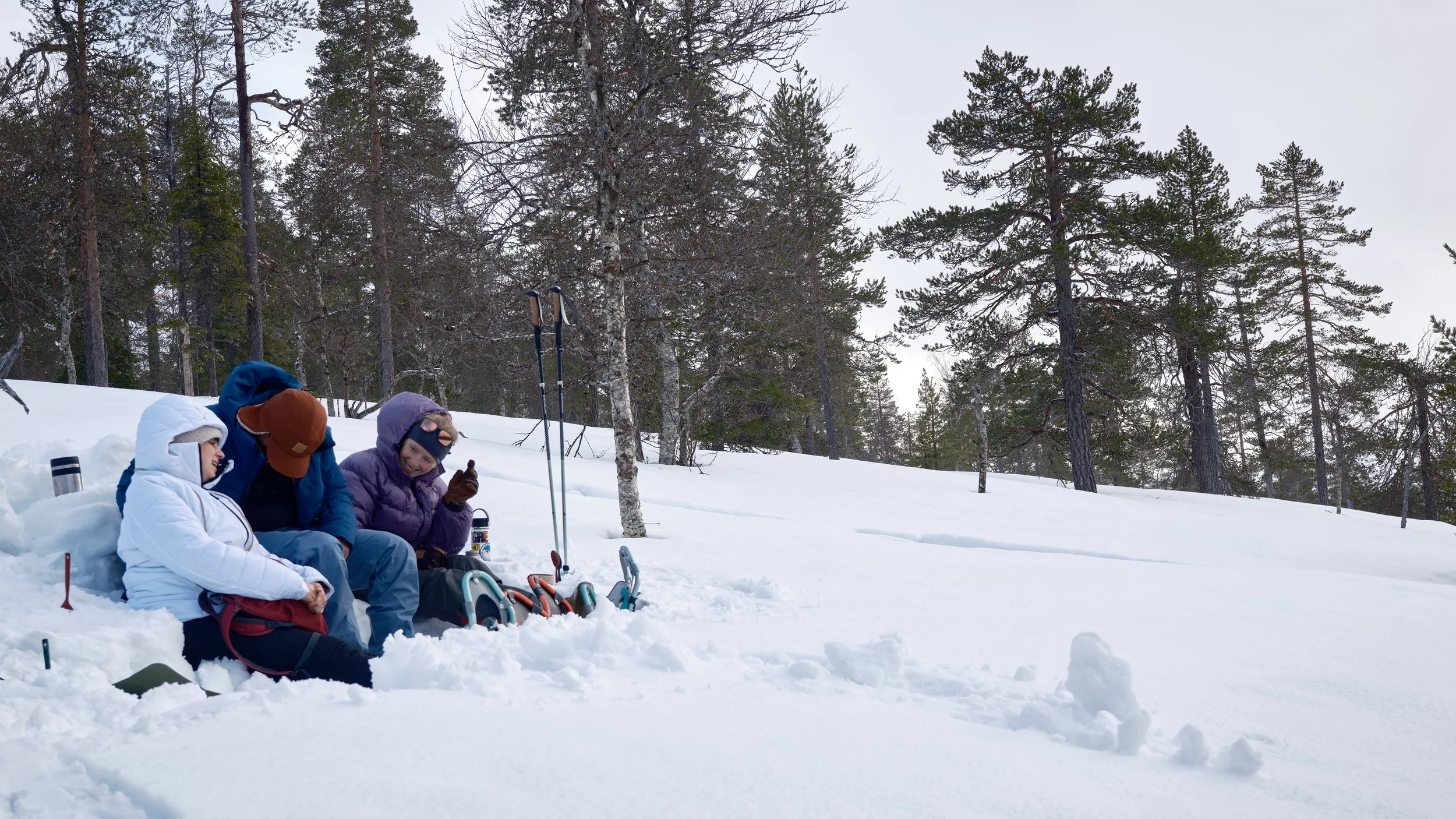
Picture taken by Sebastian. Two of our lovely guests at the front and Noora at the back. From our snowshoeing trip during their Fully Hosted Stay at the end of March.
Planning a trip to Lapland can feel strangely confusing.
Not because there is nothing to choose from - but because there is SO much!
Everything looks beautiful.
Everything sounds magical.
Everyone promises something unforgettable.
Northern lights. Snow-covered forests. Huskies. Reindeers. Sauna. Silence. Wilderness. Authenticity. Sustainability. Small groups. Local knowledge.
At first, it all feels exciting.
But after a while, many travelers start to notice something:
A lot of it sounds the same.
The same words appear again and again. The same promises. The same kind of photos. The same feeling of magic, adventure and authenticity.
And when you are planning from far away, it can become difficult to know what is actually behind those words..
The words are not the problem
Words like authentic, local, responsible and sustainable are not bad words.
They matter.
These are words we also care about deeply.
But they only matter when there is something real behind them.
A company can say ‘‘authentic’’ without explaining what that means.
A tour can be called ‘‘small group’’ without telling you how many people are actually joining.
An experience can be described as ‘‘local’’ without showing who is behind it.
A website can mention ‘‘sustainability’’ without telling you how that shapes daily decisions.
That does not always mean something is wrong.
But as a traveller, you are allowed to look closer. And you probably should.
Because the question is not only:
Does this sound beautiful?
The better question is:
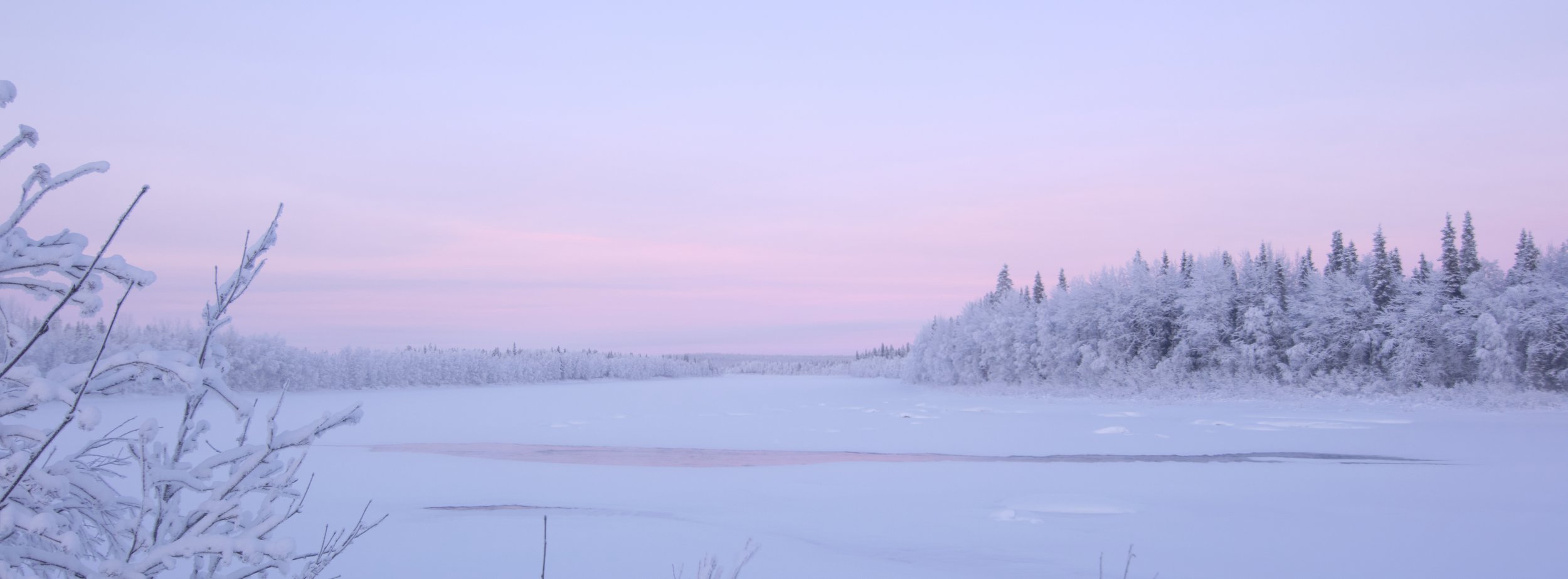
Can I understand how this is actually done?
Look for details, not just promises
One of the clearest signs of trust is specificity.
A company that is working with care can usually explain what that care looks like.
Not always perfect. Not always with polished marketing language. But clearly enough that you can understand their choices.
Instead of only saying ‘‘small group’’, do they tell you the group size?
Instead of only saying ‘‘local’’, do they show who the people behind the company are?
Instead of saying ‘‘authentic’’, do they explain their connection to the place, the culture, the landscape, or the way they host?
Instead of saying ‘‘sustainable’’, do they tell you what they actually do differently?
Trust often lives in the details.
Is is in the honest explanation.
The visible person behind the business.
The clear description of what is included and what is not.
The willingness to say: ‘‘This depends on weather.’’
The sentence that feels like it was written by someone who actually knows the place.
Real experiences usually have edges
One thing we would gently be careful with is anything that sounds too perfect.
Lapland is beautiful, but it is not a controlled theme park.
The northern lights cannot be guaranteed.
The weather changes. Amount of snow on the trees changes.
Companies who care about safety sometimes cancel or change plans if the temperature is too cold.
Distances on tours might have to be shortened due to safety or level of the group.
Some days are darker, windier, slower or quieter than expected.
A trustworthy travel experience does not need to pretend otherwise.
In fact, honesty about limitations can be a very good sign.
When a company explains what depends on weather, season, group ability or local conditions, it does not make the experience less magical.
It makes it more real. And that makes those companies better than others and more trustworthy.
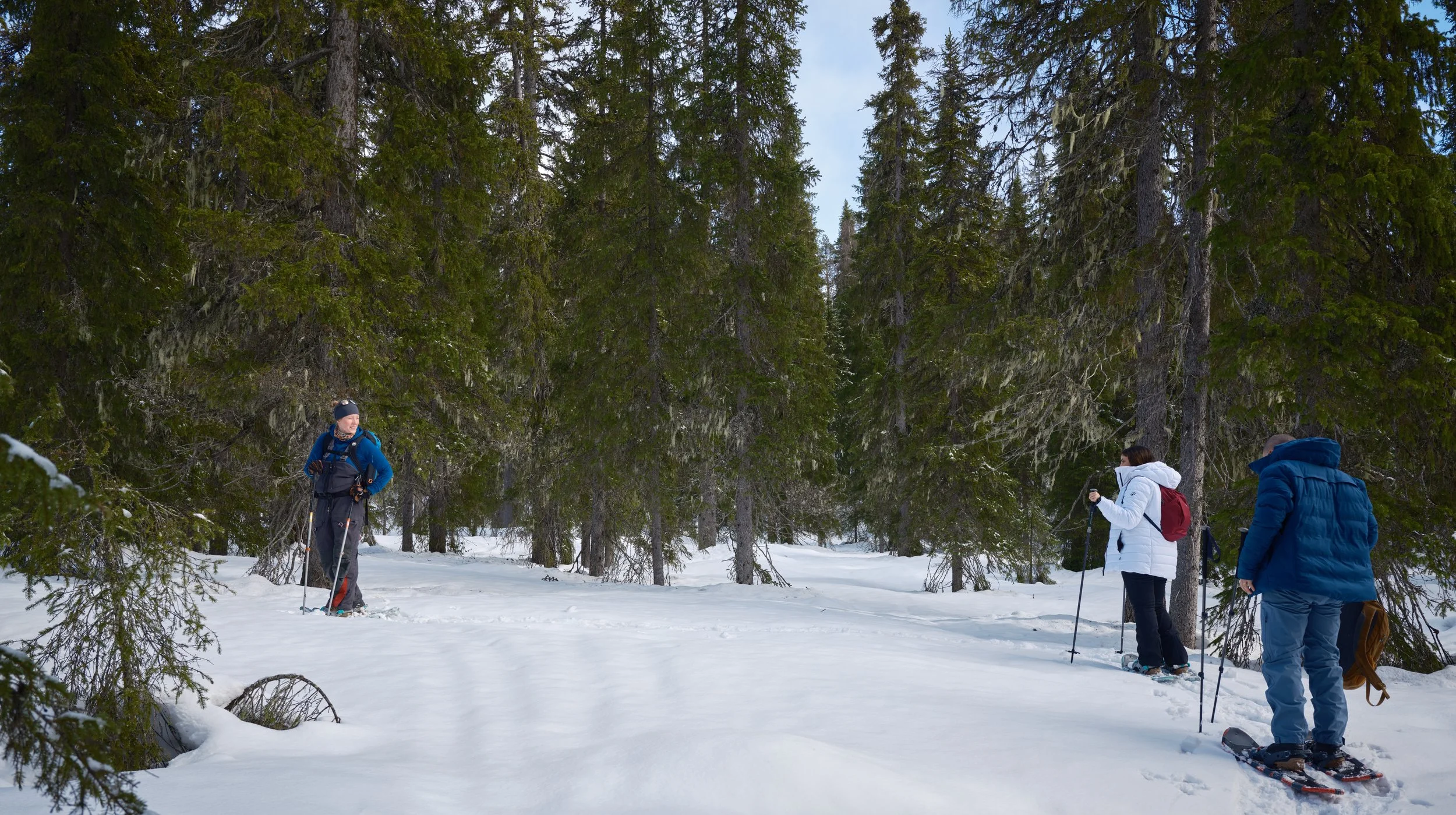
Spoiler alert! The trees will not always be covered with snow and we can’t control that - it depends on the temperatures, amount of snow each winter and how windy it has been.
Notice if everything feels copy-pasted
Sometimes the clearest warning sign is not one big problem.
It is the feeling that everything could belong to anyone.
The same phrases.
The same promises.
The same stock-like descriptions.
The same ‘‘once-in-a-lifetime’’ wording.
The same beautiful image of Lapland without much explanation of what actually happens.
Good marketing does not need to be complicated.
But it should feel connected to a real place, real people and real choices.
When something is rooted, you can usually feel it.
There is often a specificity to it. A point of view. A reason why the experience exists in that form.
It does not only say:
Come to Lapland.
It helps you understand:
Why this way? Why here? Why with us?
Before trusting a travel experience, ask yourself:
You do not need to interrogate every company before booking.
But it helps to pause and ask:
Do I understand who is behind this?
Do I understand what is actually included?
Do I understand what the words ‘‘local’’, ‘‘authentic’’ or ‘‘responsible’’ mean to this company?
Does the company explain anything specific, or only use beautiful phrases?
Are they honest about weather, northern lights, distance, pace and limitations?
Does the experience feel rooted in place - or could the same description be used anywhere with snow?
Do I feel invited, or only sold to?
These questions will not give you a perfect answer every time.
But they can help you notice the difference between words used as decoration and words that are supported by real choices.
Why we are talking about this?
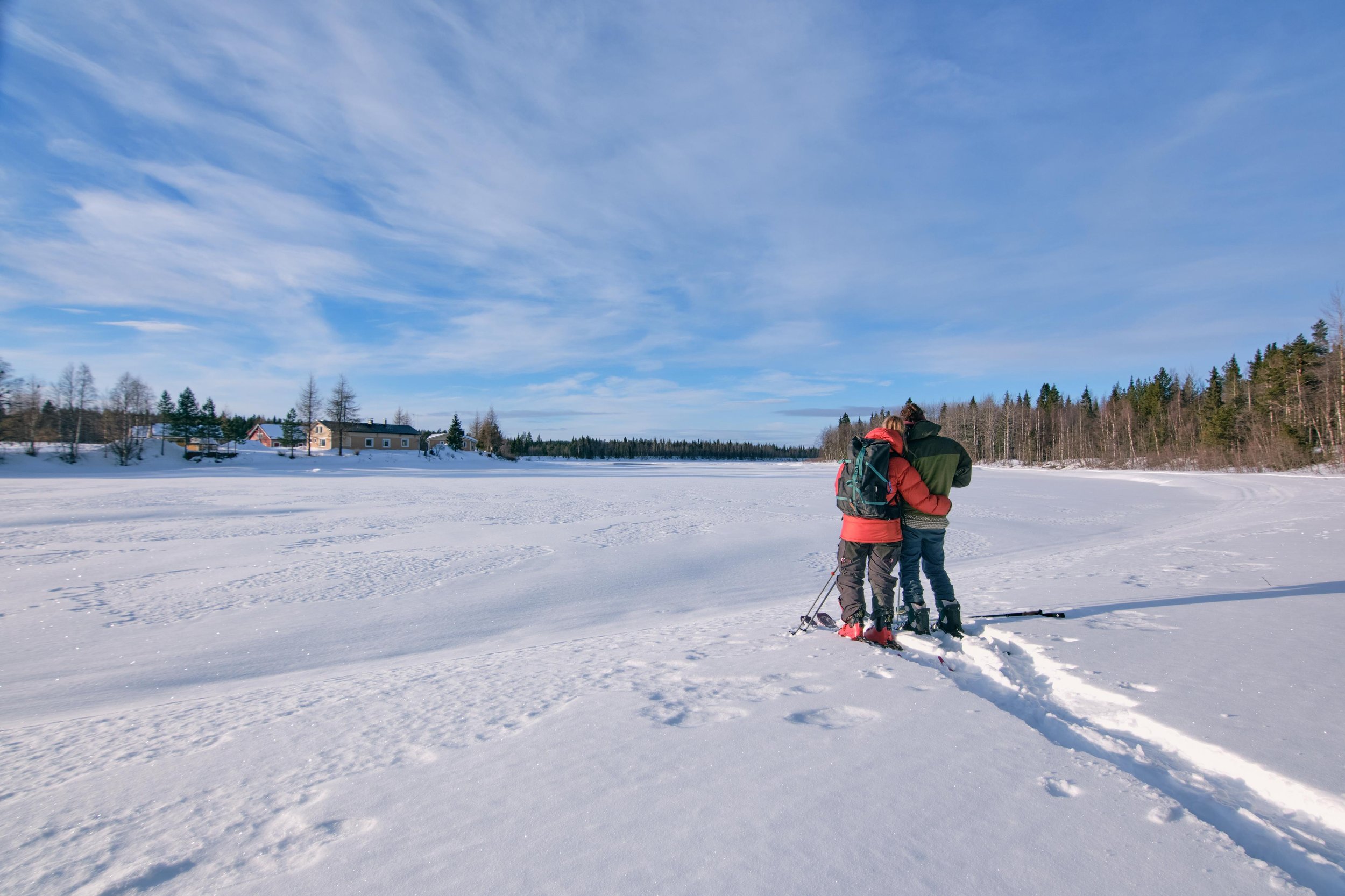
At Polar Tranquil, we are still small. Just two of us.
We are still shaping our own way of hosting - after working for others in this industry over +10 years. We are still learning how to explain what we do clearly.
But this is something we care about.
We do not want Lapland to become only a collection of beautiful promises.
We want to help travelers to choose with more care.
To look beyond the first photo.
To ask better questions.
To understand what they are supporting.
To notice when something feels real.
Not because every decision needs to be perfect.
But because travel always effects somewhere, someone and something.
Look for the people
When everything starts to look the same, look for the people.
One of the most confusing things about planning Lapland is that many companies seem to offer same things.
The same activities.
The same words.
The same promises.
Sometimes even the same feeling in the photos.
But when the activity list looks the same everywhere, the difference is no longer only what is being sold.
The difference is who is behind it.
Who is behind the company?
Who created the experience?
Who will answer your questions?
Who is hosting, guiding or welcoming you?
Do they seem connected to the place they are inviting you into?
This matters because travel is not only made of landscapes.
It is made by people.
The guide who reads the weather.
The person who decides the group size.
The person who cares for the animals.
The person who chooses whether to rush or slow down.
The person who tells the story - or chooses not to.
For us, one of the biggest warning signs is when you cannot easily find who is behind a company - or who the guides are. To us this can also be a sign of high staff turnover. It may mean there are not many core guides returning season after season, but rather a new team of guides each year.
The people designing the experience shape the pace, the feeling, the safety, the honesty and the care behind it.
Not every company needs to be tiny or family-owned. Bigger companies can also operate thoughtfully and small companies are not automatically better.
But you should be able to understand something about the humans behind the words.
If a company speaks about authenticity, responsibility or local knowledge, it is reasonable to ask:
Who is carrying that knowledge?
Where does it come from?
How does it show in the experience?
There is another way to visit Lapland
There really is. One that starts before you arrive.
It starts with how you choose.
What you look for.
What you trust.
What you decide not to rush into.
And maybe the first step is simple:
When everyone promises the same, pause for a moment.
Look past the words.
And ask what is behind them.
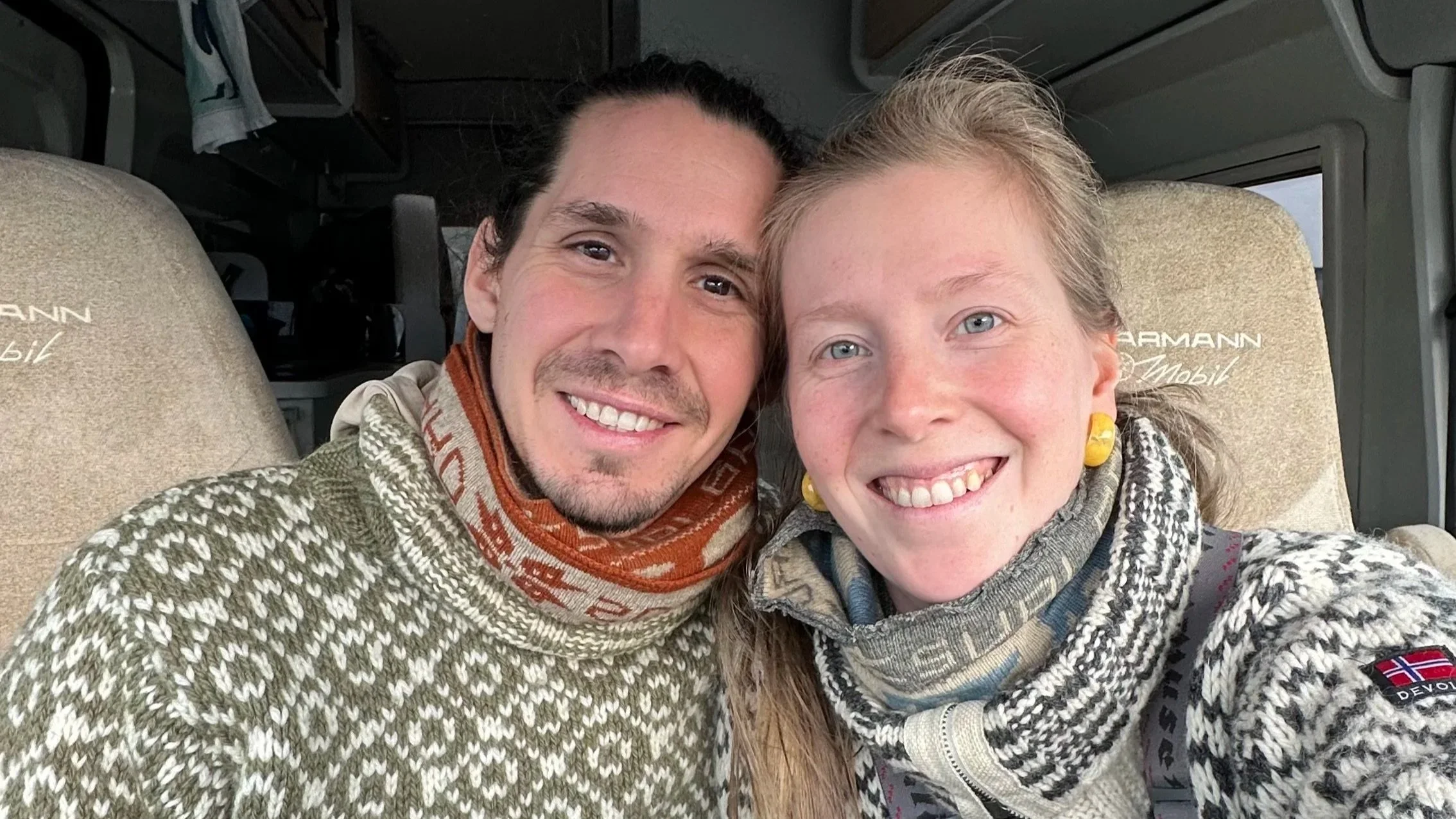
Who are the people behind this company.
When everything looks the same from the outside, people are often where the real difference begins.
Thank you for looking closer.
Let’s make tourism in Lapland more responsible, one step at a time. Together.